The atmosphere here holds between 40 and 50 percent less oxygen than at sea level. Extra oxygen is pumped into the unpressurized rail cars as they roll across the Tibetan plateau, but it's not clear that it does much good. All around me in the dining car, passengers were suffering the hangover-like symptoms of altitude sickness: throbbing headaches and severe nausea.
I was feeling relatively chipper due to Diamox, a prescription drug that prevents altitude sickness. Even so, I was lightheaded and a little dizzy. Back in my compartment, I plugged the oxygen hose into the wall and inhaled deeply. Almost instantly my mind cleared. But the effect lasted only as long as I breathed oxygen from the hose.
The surrealness was heightened by what looked like hundreds of enormous golf tees lining the tracks. They're an attempt to solve the railroad's most vexing problem.
Four hundred miles of the route lie atop a particularly unstable form of permafrost that thaws during the day and freezes at night, causing the tundra above it to rise and fall by inches. To try to prevent tracks from buckling and cracking, Chinese engineers elevated more than 100 miles of it and installed the giant golf tees along other stretches. These are cooling pipes that use solar energy to turn liquid ammonia into gas, chilling the ground and preventing the permafrost from melting.

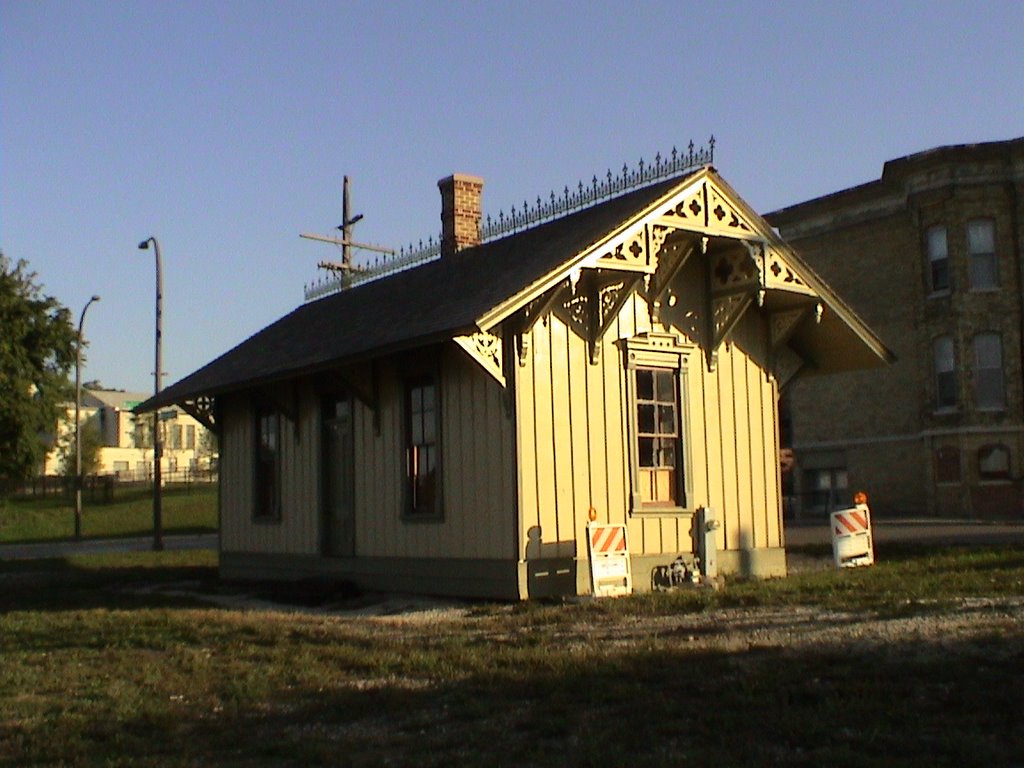
Even casual passersby pause to admire this beautiful two-story brick and limestone depot built in 1876. Onetime headquarters for the Illinois Central's Northern Division, the 19-room structure featured passenger facilities on the first floor and housed division officials and staff on the upper level.
As times changed, division headquarters were moved elsewhere; passenger service ended in 1939, and the depot closed in 1967. Freight trains used the line into the 1980s. The tracks have since been removed.
As disuse led to disrepair, concerned citizens began efforts to save the historic station. It has been returned to life as the Amboy Depot Museum, filled with railroad memorabilia and local history items.
The telegrapher's office features a variety of telegraph keys, timetables and photos of train wrecks that occurred at Amboy. Original benches grace depot waiting rooms; there are original railroad documents, photos, railroad lanterns, switch keys and a great deal more.
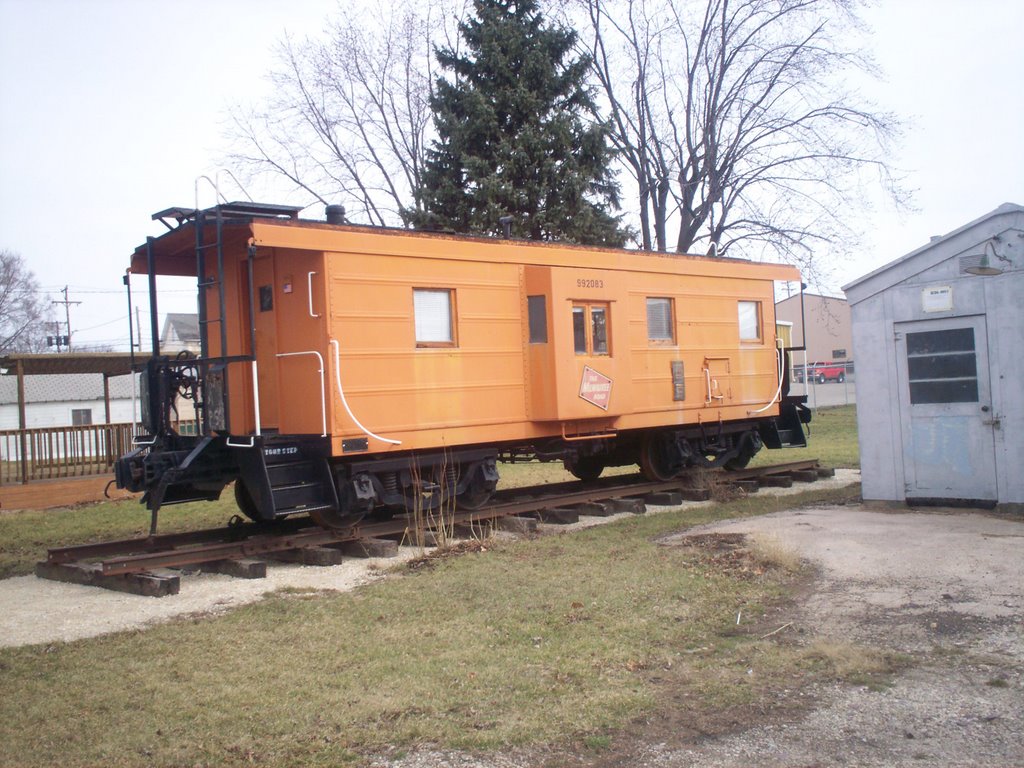
A steam locomotive, a 1920s-era caboose and a century-old IC freight house on the grounds are open to tour.
Sitting at East Main and South East Avenue, the depot is open year-round, 1-4 p.m. Wednesday, Thursday, Sunday and holidays, 10 a.m.-4 p.m. Friday and Saturday. Admission is free.
Amboy is about 110 miles from downtown Chicago. For additional information, call 815-857-4700.
What do some servicemen stationed in Iraq do to pass the time? Hobbies! Specifically, model trains! Here, Lt. Patrick Anderson works with some of our HO scale hopper cars. Patrick and a few others in the outfit have also built an operating layout using KATO UNITRACK.And Kato has pictures of it here. (On the lefthand menu of the Web site of the Japanese model railroad manufacturer Kato USA, click on the Customer Photo Gallery and go to the Baghdad Hobby Club at the bottom of Page 2.)